
Energy-Efficient Window Types: Glass Coatings, Tints and Insulated Units
These are the glass options an energy-efficient window quote will list, with the frame choice covered on the aluminum and vinyl pages.
Low-E coated glass
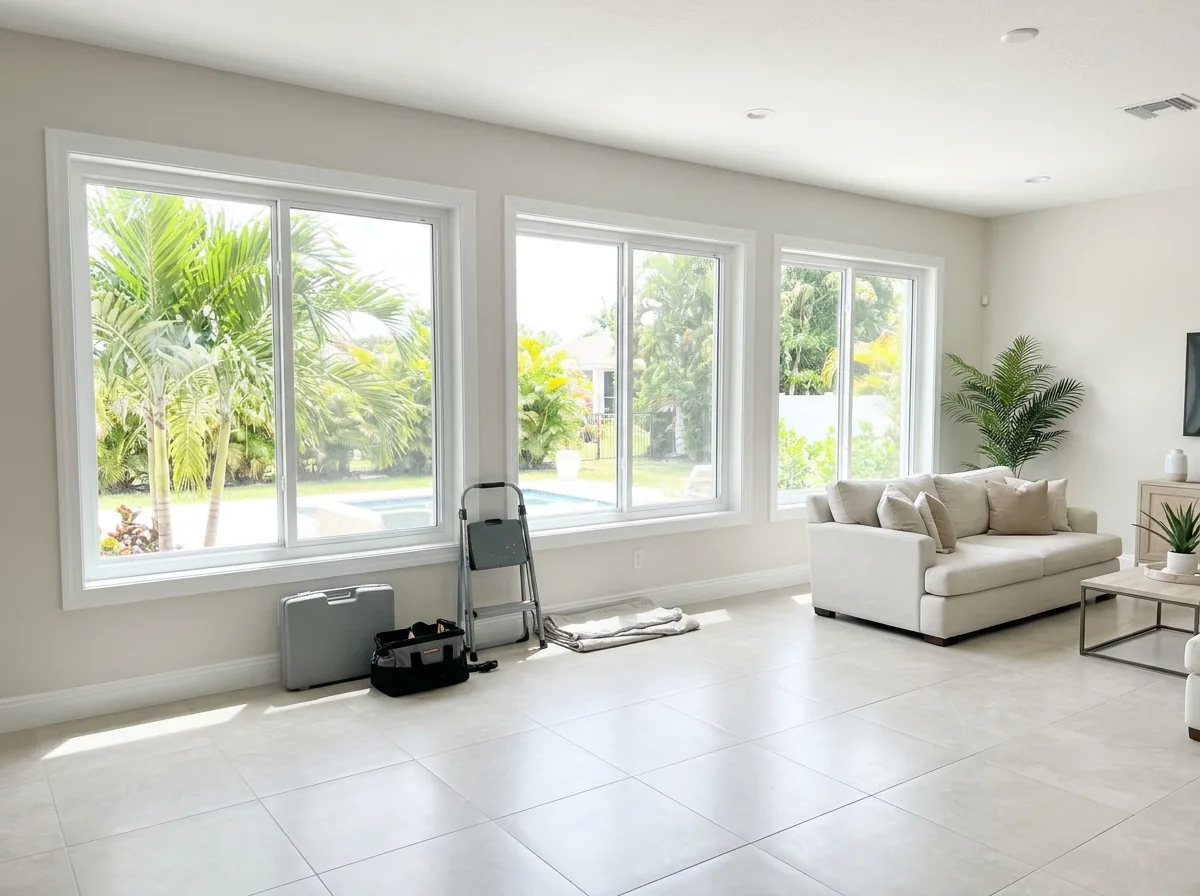
A low-E coating is a microscopically thin metal or metallic oxide layer on one of the panes, nearly invisible from either side. It cuts the infrared radiation that carries heat. The Department of Energy's consumer guide adds that low-E glass reflects ultraviolet light and can reduce fading of furniture and floors by as much as 75%.
- Fixr price for a window with low-E glass: about $300 to $1,100.
Spectrally selective low-E glass
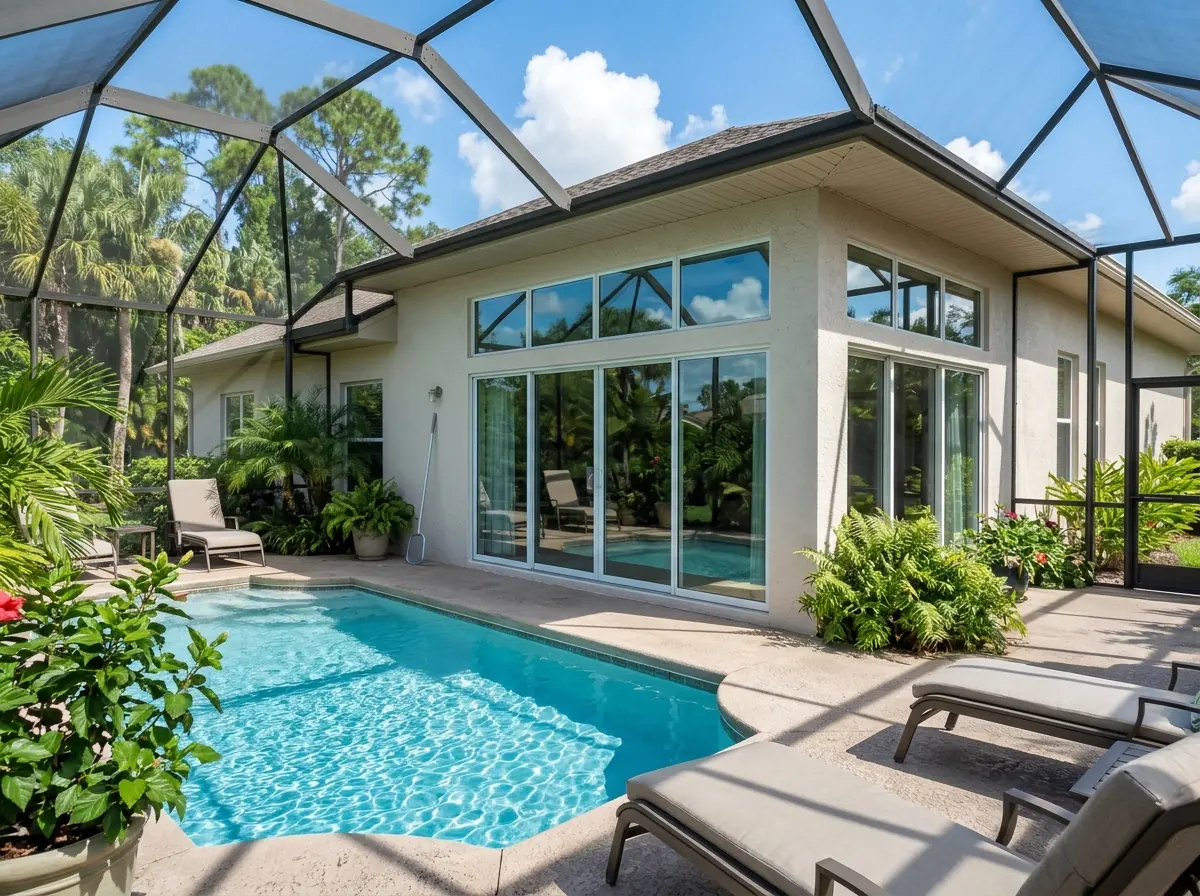
This is the version built for hot climates: it reflects the infrared part of sunlight and passes visible light. The Department of Energy says it filters 40% to 70% of the heat that would come through insulated glass while letting the full amount of light through. In the agency's computer simulations, this glazing cut the electric cooling needs of new buildings in hot climates by more than 40%.
Gray and bronze tinted glass
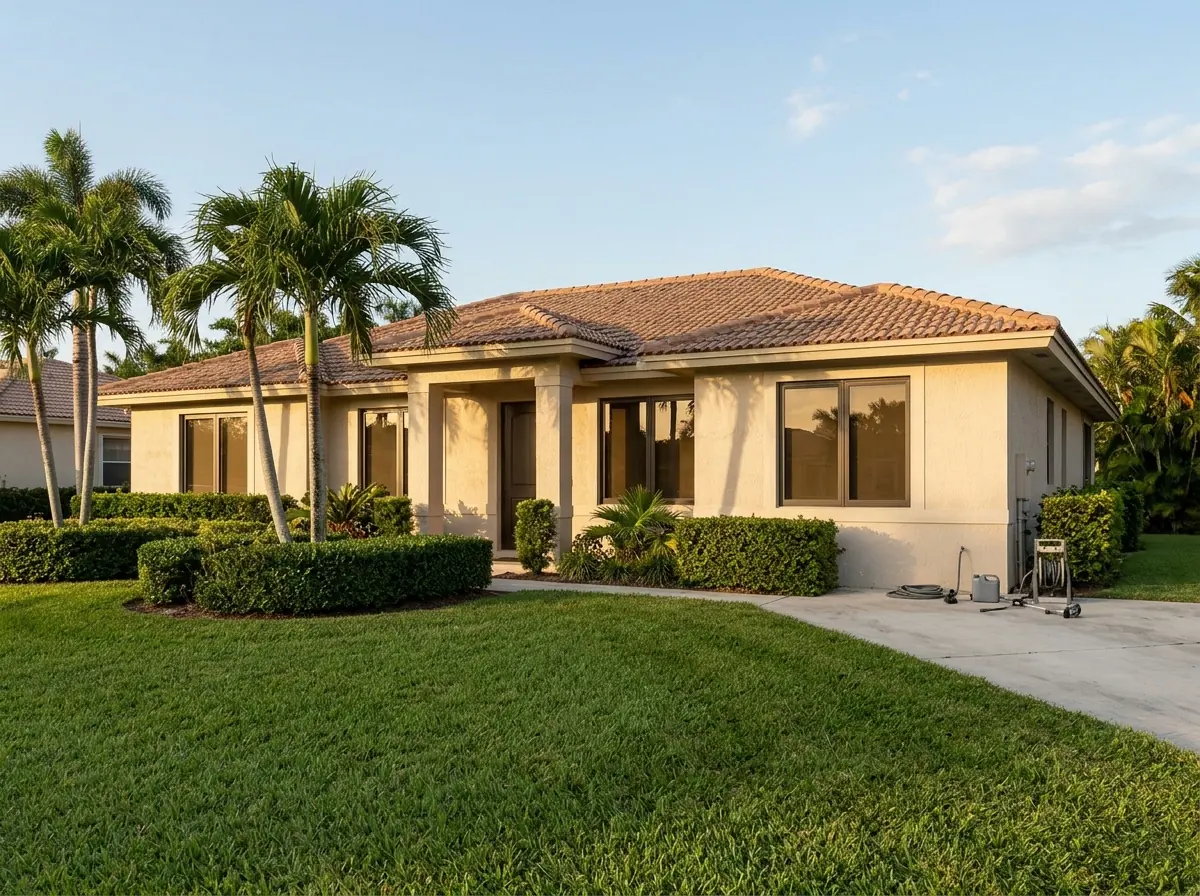
Tinted glass absorbs a large share of incoming sun, which lowers solar heat gain and glare. The common gray and bronze tints aren't spectrally selective, though, so they cut light as well as heat, and some heat still passes through by conduction. If the glass passes less than 70% of visible light, indoor plants can grow slowly or die, which matters in a sunroom full of them.
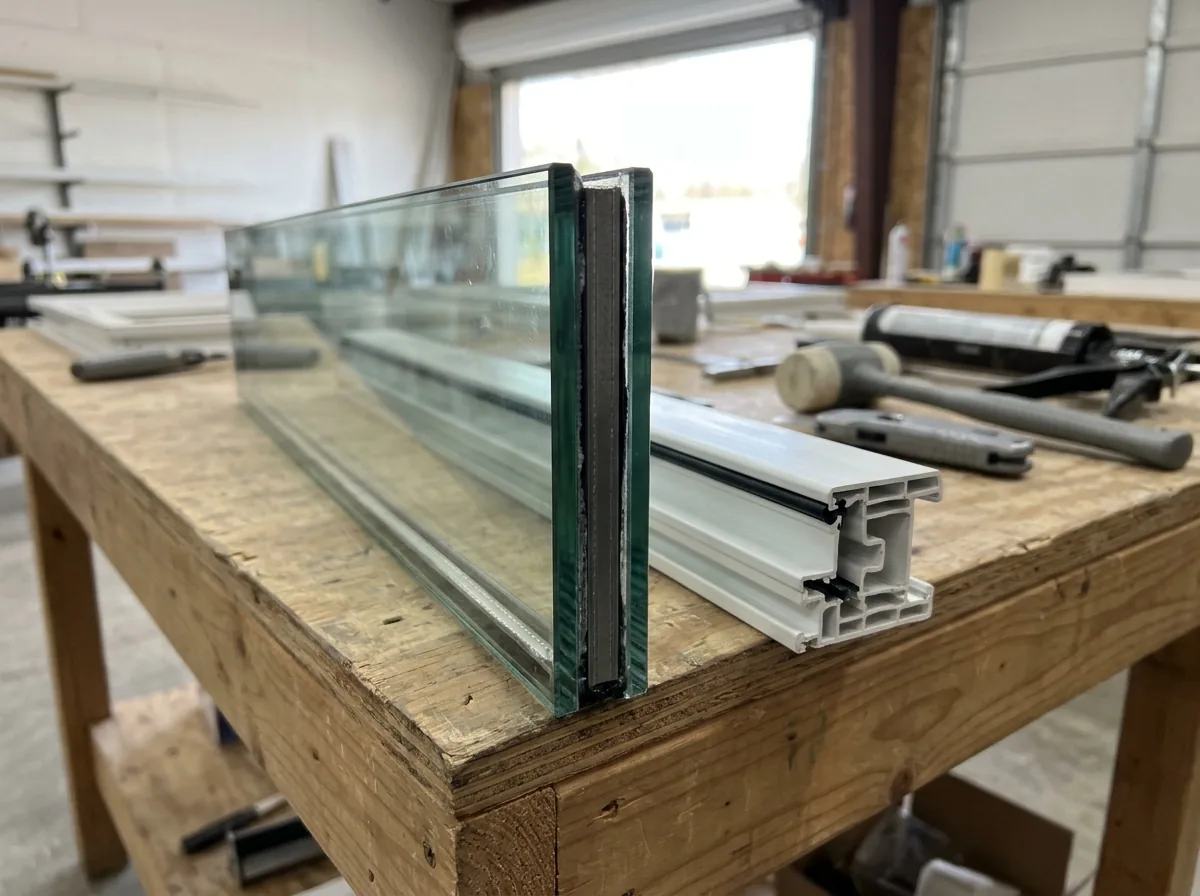
Insulated double-pane glass with gas fill
Two panes sealed around an air space mainly lower the U-factor and also trim the SHGC. Some makers fill the gap with argon or krypton, gases that resist heat flow better than air. Broward's code sets no U-factor limit, so in a house here the SHGC rating carries more weight than the pane count.
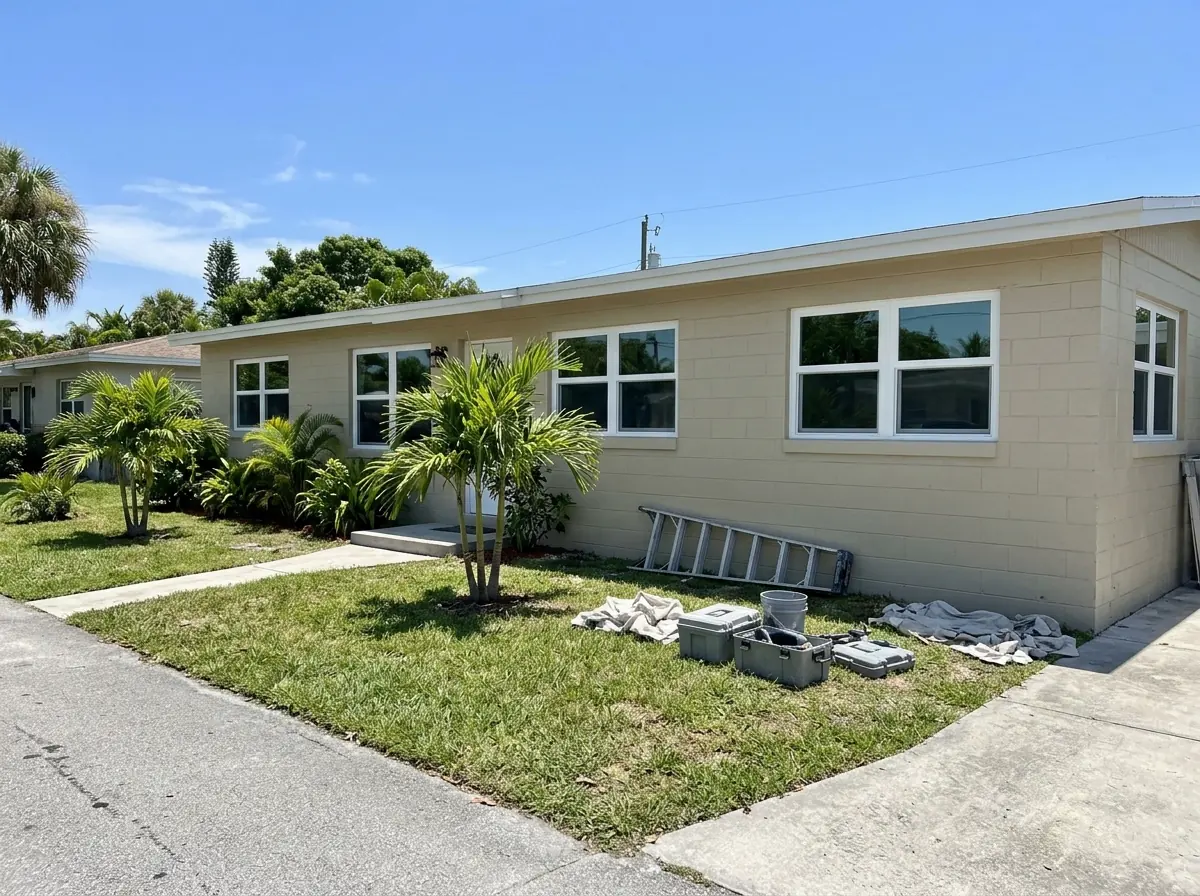
ENERGY STAR certified windows
ENERGY STAR Version 7.0 has applied since October 23, 2023. For windows in the Southern zone, it calls for an SHGC of 0.23 or lower and a U-factor of 0.32 or lower. Doors that are more than half glass need a U-factor of 0.28 or lower and the same 0.23 SHGC. The label names the climate zones where the product performs best.
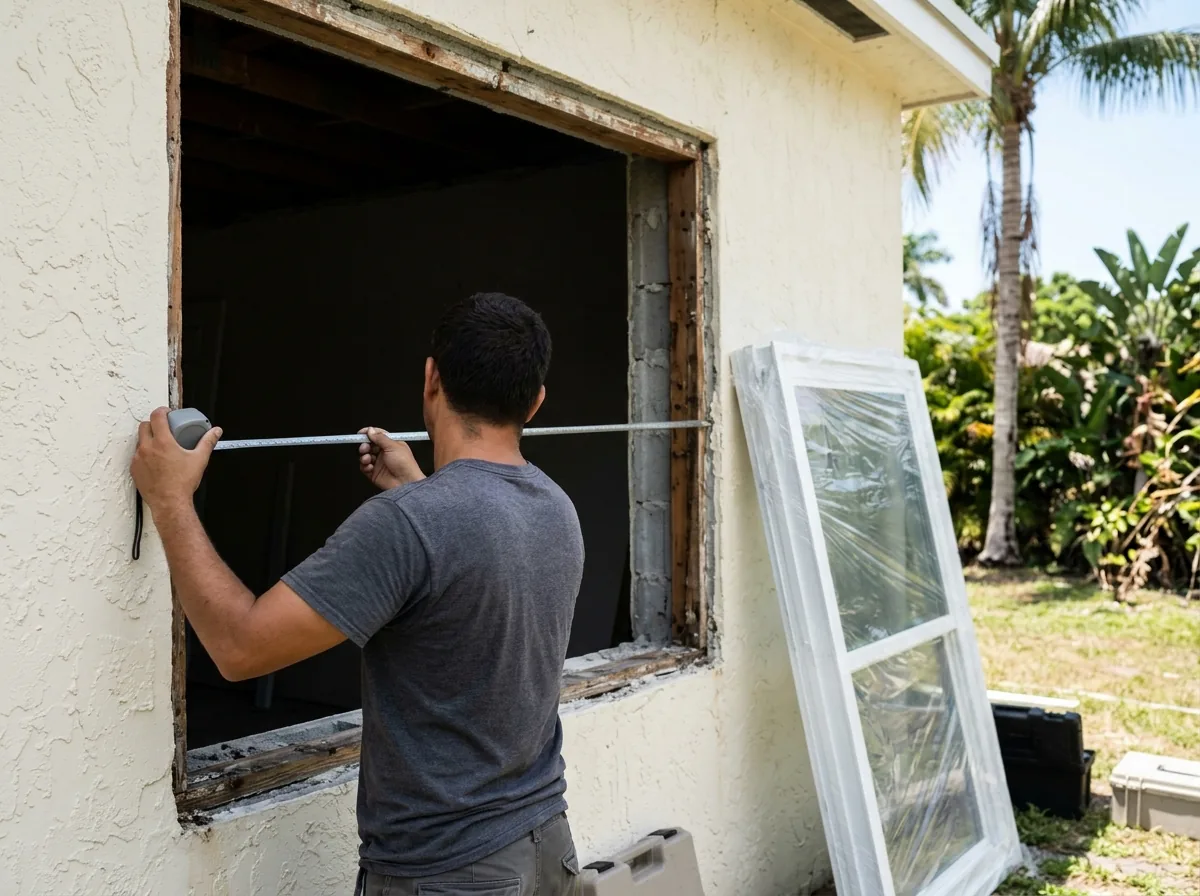
Why Pompano Beach homeowners call Pompano Windows
- One independent installer calls back, not a list of five
- The request costs you nothing
- Ask for approval numbers and design pressures on the quote
- Permit, removal and stucco patching priced in writing
Florida Energy Code Rules for Replacement Windows
Broward County is climate zone 1A in the 2023 Florida Building Code, Energy Conservation (8th edition). Table R402.1.2 sets a 0.25 SHGC maximum for all glazed fenestration in zone 1 and leaves the U-factor unregulated.
Replacements must comply. Section R503.1.1.1 says that a new unit replacing all or part of an existing one, sash and glass included, has to meet that table. With more than one replacement unit, an area-weighted average is allowed.
Small amounts are exempt. Up to 15 square feet of glazed fenestration per dwelling unit doesn't have to meet the U-factor or SHGC numbers.
Two alterations sit outside the rule. Storm windows added over existing windows and film applied to single-pane glass are listed exceptions.
No federal credit now. The 25C credit ended with improvements made through December 31, 2025. Florida code numbers can also shift with the next code edition.
What to Compare on Energy-Efficient Window Quotes
U-factor and SHGC per unit. The Department of Energy describes U-factor as how well a window insulates, usually 0.20 to 1.20 for windows, and SHGC as the share of the sun's heat that comes through, from 0 to 1. Lower is better on both. Ask that each line of the quote show both numbers next to the product approval.
Orientation. For warm climates, the same guide recommends low-SHGC glass on south, east and west walls.
Impact rating stays the deciding spec. In the High-Velocity Hurricane Zone, energy glass still has to be an approved, labeled HVHZ unit.
Lead paint on older houses. Federal rules require anyone paid to disturb painted surfaces in a home built before 1978 to be EPA lead-safe certified, and window sills are among the surfaces EPA flags. Much of Pompano Beach's housing predates that year, so ask whether the crew is certified.
See soundproof windows.